
Window Cleaning Risk Assessments & Rescue Plans for Melbourne Contractors
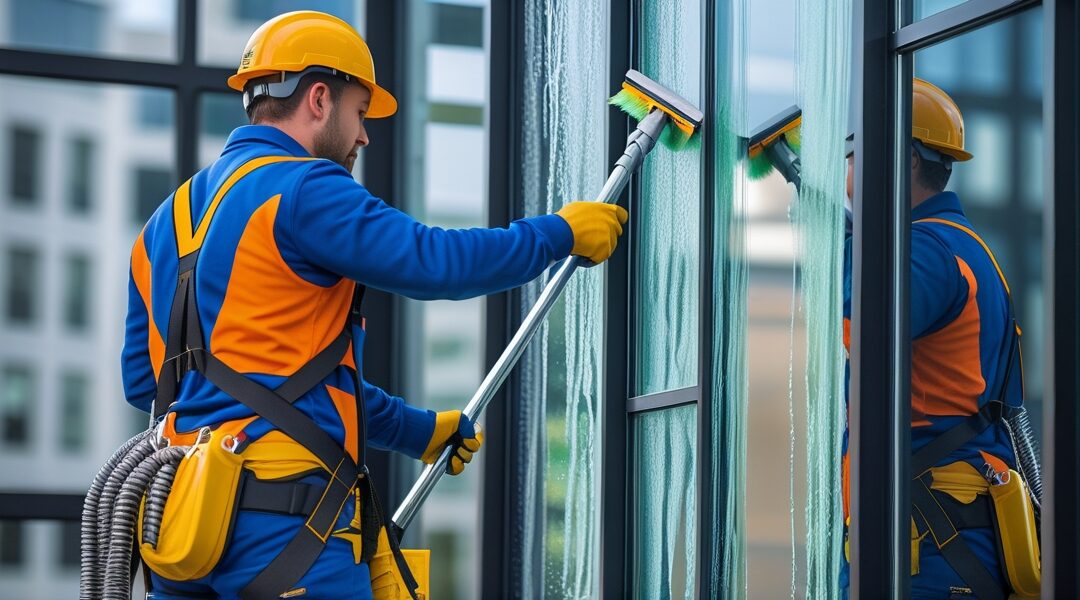
Window cleaning on commercial and multi-storey buildings in Melbourne presents distinct hazards that require robust planning, competent personnel and compliance with Victorian and national legislation. This guide explains practical steps for contractors to develop effective window cleaning risk assessments and implement rescue plans that meet current expectations from regulators and industry standards.
Why a thorough risk assessment and rescue plan is essential
Falls from height, entrapment, suspension trauma and equipment failure are among the most serious risks for window cleaning teams. A documented window cleaning risk assessment identifies hazards, evaluates risks and prescribes controls. A separate but linked rescue plan ensures workers can be retrieved quickly and safely in an emergency, minimising harm and regulatory exposure for Melbourne contractors.
Regulatory and standards context — what contractors must consider
Key sources that inform best practice include Victorian WorkSafe guidance, Safe Work Australia materials and relevant Australian/New Zealand standards for fall protection and access equipment. Contractors should be familiar with:
- Victorian WorkSafe: guidance on managing risks of working at heights and specific expectations for building maintenance and window cleaning operations (WorkSafe Victoria).
- Safe Work Australia: model Code of Practice on Managing the Risk of Falls at Workplaces and guidance on rescue planning.
- AS/NZS standards: including AS/NZS 1891 series (industrial fall-arrest systems and devices), AS/NZS 1576/1892 series (access equipment such as ladders and platforms) and standards relevant to suspended access equipment (monorail and rope access systems where applicable).
Useful official sources (to check the detailed and latest documents):
- WorkSafe Victoria — https://www.worksafe.vic.gov.au/
- Safe Work Australia — https://www.safeworkaustralia.gov.au/
- Standards Australia (search relevant AS/NZS standards) — https://www.standards.org.au/
Core components of a compliant window cleaning risk assessment
An effective window cleaning risk assessment for Melbourne should be documented and site specific. It typically includes the following elements:
- Scope and description of work — building address, levels, glazing type, access routes and times of work.
- Personnel details — names, roles, qualifications and contact information for supervisors, window cleaners and rescue personnel.
- Hazard identification — potential fall points, fragile surfaces, overhead hazards, swinging hazards, environmental factors (wind, rain, heat), pedestrian traffic and loading constraints for roof-based equipment.
- Risk evaluation — likelihood and consequence assessments for each hazard identified, using a standard risk matrix.
- Control measures — hierarchy of controls applied: elimination, substitution, engineering controls, administrative controls and personal protective equipment (PPE).
- Equipment list and inspection regime — details and maintenance records for harnesses, lanyards, anchorages, ropes, bosun chairs, suspended platforms (cradles), boatswain’s chairs and mobile elevated work platforms (MEWPs).
- Training and competencies — confirmation of relevant training (e.g., certified rope access, harness and lanyard use, work at heights ticket, MEWP operation, first aid, and rescue training).
- Rescue plan summary and contact details — immediate actions, designated rescuers and external emergency services contacts.
- Permit and approvals — building owner permission, local council requirements, any required permits for hoist/cradle installation or use of MEWPs in public spaces.
- Monitoring and review — frequency for reassessing risks and after any incidents or near misses.
Specific controls and equipment standards
Controls should follow the hierarchy: avoid working at heights where possible (e.g., use internal access), use collective controls (guardrails, temporary edge protection) before relying on personal fall-arrest systems, and ensure all equipment meets recognised Australian standards.
- Anchorage points must be certified and load-rated; anchor design and certification records should be kept on-site.
- Harnesses and lanyards should comply with AS/NZS 1891.1 and be inspected by a competent person before use and at regular intervals (with a written log).
- Suspended platforms/cradles must be installed, tested and certificated to relevant manufacturer and standards requirements; daily pre-start checks are mandatory.
- MEWPs used for window cleaning should be appropriate for the task and operated by trained and licenced personnel; follow manufacturer inspection and safe operation procedures.
Developing an actionable rescue plan
A rescue plan is not optional — it is an essential complement to any window cleaning risk assessment. The rescue plan must be tailored to the site and the method of work, and should provide a step-by-step process for rescuing a worker who is suspended, incapacitated or trapped.
Key elements of an effective rescue plan
- Rescue objectives: minimise time suspended, prevent suspension trauma, avoid further harm to rescuer or casualty.
- Roles and responsibilities: named rescuers, backup personnel, incident commander and who will contact emergency services.
- Methods of rescue: self-rescue, assisted rescue, mechanical rescue (winch/hoist), aerial rescue using a MEWP, or prompt transfer to a trained rope access/industrial rope rescue team.
- Equipment and location: rescue kits, dedicated rescue ropes, lowering devices, retrieval winches, harnesses and tags, clearly stored and ready near work zones.
- Communication: reliable radios or mobile phones, clear call signs and procedures for raising an alarm (e.g., three short blasts or a specific radio call phrase).
- Medical considerations: first aid procedures for suspension trauma, hypothermia and shock; availability of first aid trained personnel and oxygen/defibrillator if required.
- Training and practice: scheduled rescue drills (recommended at least twice yearly or more frequently depending on risk), documented competencies and debriefs after drills or real rescues.
- Coordination with emergency services and building management: pre-notify local emergency services of complex sites where access may be difficult; maintain building owner contact details and rooftop keys/access instructions.
Training and competency expectations for Melbourne contractors
Competency is central to reducing risk. Training should be role-specific and evidence-based. Typical requirements include:
- Work at Heights training that covers hazard identification, control selection and correct use of fall protection systems.
- Rescue training specific to the systems used (rope rescue, suspended platform rescue, MEWP recovery) delivered by an accredited provider.
- MEWP operation – formal accredited training (e.g., HRW, RII) where MEWPs are used.
- First aid training with specific modules on suspension trauma recognition and management.
- Manufacturer training where specialised equipment (motorised cradles, permanent anchor systems) is used.
Site management, permits and building owner responsibilities in Melbourne
Several practical, administrative and legal issues arise when working across Melbourne CBD and suburban buildings:
- Building owner approvals: most high-rise buildings require written permission to install temporary or permanent anchorages, and owners often insist on certificates of insurance and method statements.
- Local council considerations: footpath occupation permits, traffic management for MEWPs or hoist deliveries, and public safety controls for work over or near public ways.
- Heritage-listed buildings: extra care and approvals may be required where façade treatments or historic glazing limit anchor options.
- Coordination with building management: rooftop access, mechanical room keys, communications protocols and emergency procedures should be agreed before work begins.
- Insurance and contractor prequalification: maintain appropriate public liability insurance, workers compensation and, where relevant, contractor prequalification on building owners’ vendor lists.
Practical best-practice checklist for every job
Use this on-site checklist to verify that your window cleaning risk assessment and rescue plan are in place and workable:
- Has a site-specific risk assessment been completed and documented?
- Are anchor points certified and inspection tags current?
- Is a written rescue plan available, displayed and understood by all team members?
- Are rescuers identified, trained and equipped on-site?
- Have building owners or managers signed any required permits and provided access details?
- Has weather been assessed and works rescheduled if conditions exceed safe limits?
- Are pre-start equipment checks logged and current?
- Have emergency services and site contacts been recorded in the site folder?
- Are routine rescue drills scheduled and documented?
Common pitfalls and how to avoid them
- Relying solely on PPE: where practical, use collective protections or eliminate the hazard rather than defaulting to harnesses alone.
- Inadequate rescue planning: many incidents involve long suspension times because no viable rescue plan existed — ensure plans are realistic and rehearsed.
- Poor communications: unreliable radios, dead phones or unclear chain-of-command can delay rescue — test and confirm communications daily.
- Using unlicensed or untrained operators for MEWPs or winches — verify credentials and currency before starting work.
- Neglecting anchor point certification — never use temporary anchorages without engineer certification where required.
Middle resources and further reading
For local operational services and examples of professional window cleaning providers in Melbourne, see this local service page: window cleaning Melbourne.
For broader industry articles and cleaning-related best practices (international perspective useful for method ideas), see this external blog resource: Stanley Steemer blog.
Incident response example — step-by-step rescue scenario
Below is a condensed example rescue sequence for a suspended worker on a roof anchor system:
- Immediate action: colleague raises alarm and keeps visual contact with casualty; call for designated rescuers and emergency services if required.
- Secure the area: prevent further exposure (evacuate the immediate vicinity, stop adjacent work that may create additional hazards).
- Communicate with the casualty: confirm consciousness, breathing and ability to move; advise casualty to remain still if instructed by rescuer.
- Execute rescue method: if self-rescue is possible, assist verbally; if not, deploy mechanical lowering/retrieval device operated by trained rescuer to bring the casualty to a safe position.
- Provide first aid: treat for shock and suspension trauma, follow first aid protocols and prepare for ambulance arrival if needed.
- Debrief and report: complete incident forms, review the risk assessment and rescue plan for any required changes, and schedule retraining or equipment checks.
Recordkeeping, review and continuous improvement
Document control is critical. Keep logs of risk assessments, rescue plans, training certificates, equipment inspections and incident reports. Review these records regularly and after any event. Continuous improvement should include:
- Post-incident reviews and corrective actions.
- Regularly scheduled refresher training and rescue drills.
- Updates to equipment and anchor certification as technologies or standards change.
- Engagement with building owners and local council to refine access and permit processes.
Conclusion — practical next steps for Melbourne contractors
To manage the real risks of commercial window cleaning in Melbourne, contractors must combine robust window cleaning risk assessments with practicable and rehearsed rescue plans. Key practical next steps:
- Conduct a site-specific risk assessment for every job and file it with the job pack.
- Develop and sign off a site rescue plan that names trained rescuers and identifies rescue equipment locations.
- Ensure all equipment complies with AS/NZS standards and maintain inspection records.
- Arrange role-specific training (including rescue) and document competency.
- Coordinate fully with building owners and council authorities before commencing work.
- Run regular rescue drills and review documentation after drills and incidents.
By following these steps and maintaining a culture of safety, Melbourne contractors can reduce the incidence and severity of window cleaning incidents and demonstrate compliance with Victorian and national expectations.
Reference links and guidance (check for latest updates)
Contractors should check the following authoritative sources regularly for updates and downloadable guidance:
- WorkSafe Victoria: https://www.worksafe.vic.gov.au/
- Safe Work Australia — Managing the Risk of Falls at Workplaces: https://www.safeworkaustralia.gov.au/
- Standards Australia — search for AS/NZS 1891, AS/NZS 1892 and standards for suspended access equipment: https://www.standards.org.au/
- Local council websites for permits and public safety requirements (e.g., City of Melbourne): https://www.melbourne.vic.gov.au/
If you would like, I can produce a template window cleaning risk assessment and a matching rescue plan tailored to a specific Melbourne building (CBD high-rise, suburban office, or heritage façade). Provide the building type, number of storeys and primary access method (e.g., permanent anchors, suspended cradle, rope access, MEWP) and I’ll draft a complete site-specific pack.
https://shorturl.fm/9P0h9
https://shorturl.fm/5EqrZ
https://shorturl.fm/LEAAp
Solaire Online Casino? Dude, that’s my go-to spot! Seriously, the slots are fire and the live dealer games make you feel like you’re right there. Check it out! solaireonlinecasino
https://shorturl.fm/gutox
https://shorturl.fm/j6fM3
https://shorturl.fm/v0nnJ
https://shorturl.fm/FGiM0
https://shorturl.fm/AP2HO
https://shorturl.fm/5kMAw
https://shorturl.fm/059Qa
https://shorturl.fm/TOg8f
https://shorturl.fm/YTdEL
https://shorturl.fm/hwHy6
Alright, 37jlcasino! Let’s see what you’ve got. Hoping for some good bonuses and a fun experience. Fingers crossed! Jump in at 37jlcasino.
https://shorturl.fm/cysHJ
https://shorturl.fm/ljwz4
https://shorturl.fm/TWa7U
https://shorturl.fm/eLFnG
https://shorturl.fm/B8Ioh
https://shorturl.fm/0nFpE
Enter your invite code to earn your airdrop on Aster https://is.gd/ZceEI6
Enter your invite code to earn your airdrop on Aster https://is.gd/ZceEI6
Special ability to earn $ASTER bonus https://is.gd/CGTnqR
Claim 5% Rebate and Exclusive Bonuses on AsterDEX https://is.gd/CGTnqR
Special ability to earn $ASTER bonus https://is.gd/CGTnqR
Fast indexing of website pages and backlinks on Google https://is.gd/r7kPlC
Become our partner and turn referrals into revenue—join now!
Hello https://is.gd/tvHMGJ
Hi https://is.gd/9PLRLO
AI Girls Video
Share our products and watch your earnings grow—join our affiliate program!
Earn recurring commissions with each referral—enroll today!
Promote our products and earn real money—apply today!
Solid article! Understanding ranges & bet sizing is key to long-term success. Seems like a great community is building too – checking out jililive download for some fun & maybe a new app to play on the go! Good stuff.
Join our affiliate community and maximize your profits!
Refer friends, earn cash—sign up now!
Earn passive income this month—become an affiliate partner and get paid!
Okay, qh88bets.net… a mate of mine recommended this one. He said the odds were pretty good on some football matches. I haven’t tried it myself yet, but he usually knows his stuff. Could be worth a punt, right? Check it out: qh88bets
Dom88com.com… I recognize the name. I think I saw an ad for them on some sports stream the other day. Can’t really say much more than that! Website looks clean, though. Worth a peek, perhaps? See for yourself: dom88com
88iat.net… Hmm, I don’t immediately recognize that one. Looks like a pretty standard interface. Might be a diamond in the rough. If you are keen to find a place to play, give it a try: 88iat
Monetize your traffic instantly—enroll in our affiliate network!
Refer friends, collect commissions—sign up now!
Monetize your traffic with our affiliate program—sign up now!
Partner with us and enjoy high payouts—apply now!
Unlock exclusive rewards with every referral—apply to our affiliate program now!
Earn passive income this month—become an affiliate partner and get paid!
Sign up for our affiliate program and watch your earnings grow!
Become our partner now and start turning referrals into revenue!
Promote our products—get paid for every sale you generate!
Join our affiliate program today and earn generous commissions!
Refer friends and colleagues—get paid for every signup!
Signing up for 234betlogin was super easy. I especially like the bonuses they offer. Maybe give them a try: 234betlogin
Heading to Asia online? hm88asia has all the local favorites. A great selection and easy to navigate. Join the fun at hm88asia.
Okay, so I needed some help and hit up suportegalerabet. They were actually super responsive and sorted me out quickly. If you need support, these guys are good. Need help? Go here: suportegalerabet
Earn up to 40% commission per sale—join our affiliate program now!
Unlock exclusive affiliate perks—register now!
Refer friends, earn cash—sign up now!
Turn your traffic into cash—join our affiliate program!
Apply now and receive dedicated support for affiliates!
Share our link, earn real money—signup for our affiliate program!
Your influence, your income—join our affiliate network today!
Start earning instantly—become our affiliate and earn on every sale!
Start profiting from your network—sign up today!
Grow your income stream—apply to our affiliate program today!
Sign up for our affiliate program and watch your earnings grow!
Start sharing, start earning—become our affiliate today!
Turn referrals into revenue—sign up for our affiliate program today!
Boost your income effortlessly—join our affiliate network now!
Unlock exclusive rewards with every referral—enroll now!
Become our affiliate and watch your wallet grow—apply now!
You’re so cool! I don’t suppose I’ve read anything similar to this prior to. So nice to get somebody with many original thoughts on this subject. Really we appreciate you starting this up. This site is something that is required on the web, someone with a little originality. helpful problem for bringing something totally new towards the web!
Join our affiliate program today and earn generous commissions!
Sign up now and access top-converting affiliate offers!
Join our affiliate community and start earning instantly!
Earn recurring commissions with each referral—enroll today!
Promote our brand and watch your income grow—join today!
Turn your network into income—apply to our affiliate program!