
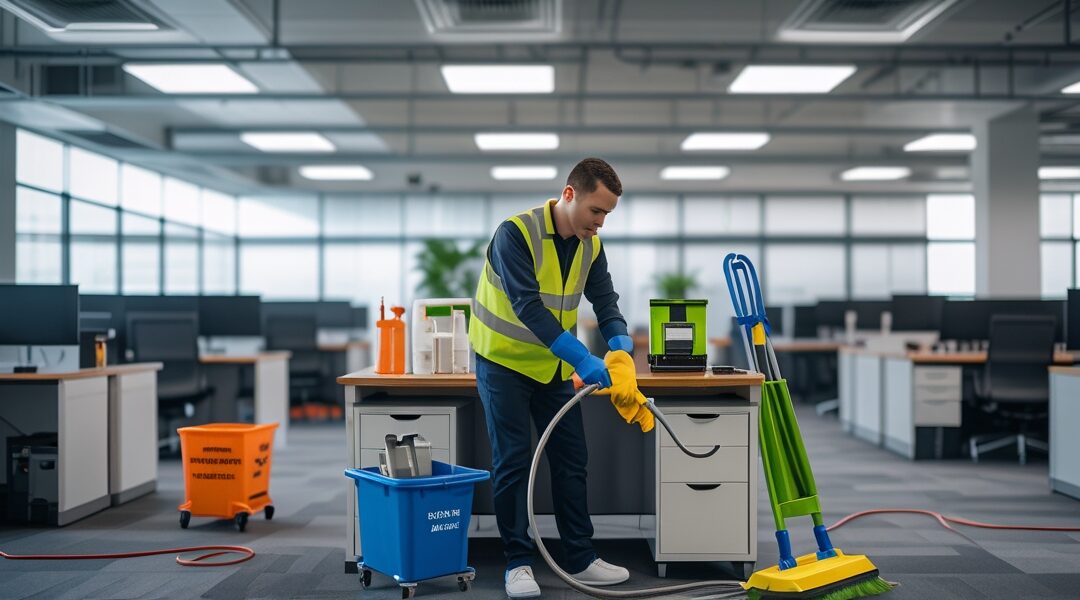
Top Tools for Activity Monitoring in Melbourne Office Cleaning
In the competitive and safety-conscious world of commercial cleaning, Melbourne businesses increasingly rely on technology to measure, verify and optimise cleaning performance. This guide explores the leading tools and approaches for activity monitoring in office cleaning — focusing on solutions that deliver accountability, data-driven scheduling, compliance and measurable hygiene outcomes for Australian workplaces.
Why activity monitoring matters in Melbourne office cleaning
Modern clients expect more than a checklist. Facilities managers demand proof of service, landlords require compliance records and health-conscious occupants want validated hygiene. Effective activity monitoring:
- Provides auditable records of when and where cleaning occurred;
- Improves operational efficiency by aligning resources with real-time usage;
- Supports occupational health, safety and hygiene compliance;
- Reduces wastage of cleaning chemicals and labour through data-driven scheduling;
- Increases client satisfaction and transparency with photo, GPS and checklist evidence.
Core categories of activity monitoring tools
These are the main categories you should consider when building a modern monitoring strategy for commercial cleaning in Melbourne:
- GPS / telematics tracking — for cleaner location, vehicle routes and shift validation.
- QR check-in and mobile workforce apps — to record task completion, time-on-task and photographic evidence.
- IoT sensors — to trigger cleaning based on usage (e.g. occupancy sensors, bin-level sensors, washroom counters).
- Cleaning validation devices — ATP luminometers, particle counters and surface swabs for hygiene verification.
- Chemical dispensing and consumables monitoring — automated dosing systems and telemetry to control product usage.
- Integrated software platforms — unified dashboards that combine data from multiple devices and provide analytics, reporting and SLAs.
1. GPS and telematics for cleaner and vehicle tracking
GPS tracking is a foundational tool for field service monitoring. For office cleaning in Melbourne it is used to:
- Verify arrival and departure times at client sites;
- Record travel time and route efficiency for roster optimisation;
- Provide an audit trail when paired with time-stamped photos or QR check-ins;
- Improve response times for urgent or ad-hoc cleans.
Telematics solutions vary from simple smartphone-based location pings within workforce apps to dedicated vehicle devices that also capture engine hours and asset status. When selecting a GPS/telematics product for cleaning services, prioritise battery life, geofencing accuracy, integration with workforce management systems and local support in Melbourne.
2. QR check-in systems and mobile workforce apps
QR check-in and workforce management apps enable cleaners to confirm task completion with minimal friction. Typical features include:
- Scan-to-log checkpoints around a building with GPS or NFC verification;
- Pre-populated task checklists for each zone or client site;
- Photo evidence upload for problem areas or completed works;
- Digital timesheets and automatic job costing;
- Two-way messaging between supervisors and mobile staff.
These systems improve accountability and reduce disputes about work performed. Look for apps that are easy to use offline and synchronise when back on the network — important for areas with restricted Wi-Fi or mobile coverage.
3. IoT sensors for demand-driven cleaning
IoT sensors are changing how cleaning schedules are determined. Instead of time-based rosters, sensors enable usage-based cleaning that focuses effort where it’s needed most. Common sensor types include:
- Occupancy sensors and people counters (for lobbies, meeting rooms);
- Door or motion sensors to track area usage;
- Bin or rubbish-level sensors to optimise waste collection;
- Washroom-specific sensors measuring traffic to trigger cleans;
- Air quality monitors and CO₂ sensors tied to HVAC operations and hygiene protocols.
Implementing IoT reduces wasted labour and supports sustainability goals — a frequent requirement among Melbourne tenants aiming for greener operations.
4. Cleaning validation: ATP meters, particle counters and swab testing
For clients who require proof of hygiene (medical buildings, data centres, food-adjacent offices), deploy cleaning validation tools:
- ATP luminometers — offer rapid detection of organic residues on surfaces and provide a numeric score for cleanliness;
- Particle counters — used when particulate levels matter (e.g. data centre adjacent areas or sensitive manufacturing);
- Microbiological swabs — send to labs for culture when deeper analysis is necessary.
Validation gives quantifiable proof that high-touch surfaces meet the agreed standards and is often paired with digital reporting for client dashboards.
5. Chemical dispensing and consumables monitoring
Automated dosing systems and telemetry-enabled dispensers ensure correct dilution rates and track product consumption. Benefits include:
- Consistent cleaning efficacy and reduced risk of over- or under-dosing;
- Lower chemical waste and tighter cost control;
- Remote alerts for low stock or maintenance on dispensing equipment.
Linking dispensers to the main monitoring platform helps reconcile chemical use with tasks completed, assisting sustainability reporting and cost allocation by site.
6. Integrated software platforms and analytics
The most powerful activity monitoring strategies combine multiple data streams into a single reporting environment. Key platform capabilities include:
- Customisable dashboards for site managers and clients;
- Automated SLA reporting and exception alerts (missed cleans, long gaps between visits);
- Trend analytics to optimise roster frequency and predict peak cleaning needs;
- Integration APIs to connect with building management systems (BMS), HR/payroll and procurement.
Look for vendors offering data export, role-based access controls and secure hosting within Australia or compliant jurisdictions to meet privacy concerns.
How to choose the right mix of tools for your Melbourne office
Selecting the appropriate technology stack depends on client expectations, building type and budget. Use this decision checklist:
- Define outcomes: Do you need visual proof, hygiene verification, or route optimisation?
- Prioritise compliance: Are there sector-specific standards (health, data centres) to meet?
- Evaluate integration: Will the tool integrate with your rostering, payroll or procurement systems?
- Consider privacy: Ensure employee tracking policies comply with Australian laws and are transparent to staff;
- Scale and support: Choose solutions with Melbourne-based support or reliable local partners;
- Budget and ROI: Model savings from reduced reactive cleans, improved routing and lower chemical usage.
Privacy and compliance considerations in Australia
Activity monitoring raises privacy and workplace relations questions. In Australia, operators should:
- Comply with the Australian Privacy Principles (APPs) under the Privacy Act 1988 when handling personal data;
- Implement a clear workplace policy that explains the purpose of tracking, data retention periods and access rights;
- Minimise data collection to what is necessary and anonymise where possible for reporting;
- Consult staff and union representatives where required and provide training on system use;
- Ensure secure data storage and regular audits of access logs to prevent misuse.
Transparent communication and strong data governance prevent legal and reputational risks while maintaining employee trust.
Cost models and commercial considerations
Costs vary by technology and provider. Typical pricing models include:
- Per-device or per-vehicle subscription for telematics hardware;
- Per-user or per-site licensing for workforce apps and software platforms;
- One-off hardware purchase for sensors with ongoing cloud subscription fees;
- Pay-per-test or capital + consumables model for ATP and lab testing.
When evaluating ROI, include savings from fewer unnecessary cleans, optimised rosters, reduced travel time and better client retention from demonstrable service delivery.
Implementation best practices
- Start with a pilot at one or two sites to validate technology and workflows;
- Train supervisors and cleaning staff thoroughly and document procedures;
- Integrate systems incrementally — e.g. begin with QR check-ins and GPS, then add sensors and validation tools;
- Regularly review analytics to adjust schedules and measure improvements;
- Report outcomes to clients with visual dashboards and periodic summary reports.
Examples and inspiration (links for further reading)
To help you explore real-world implementations and local providers, here are two useful references that illustrate activity monitoring in practice. The first example highlights a Melbourne-based cleaning provider that incorporates monitoring within its service model and the second links to an external cleaning industry blog for broader perspectives:
office cleaning Melbourne — an Australian provider outlining activity monitoring approaches in their office cleaning services.
https://www.cleaningservicenewyorkcity.com/blog/
Top recommended tools and vendors to evaluate
Based on recent industry trends and Australian market availability, evaluate vendors across these categories:
- Telematics/GPS: vendors with field-service features and geofencing;
- Workforce apps: QR check-in, photo verification and offline capabilities;
- IoT sensor providers: occupancy, bin level and washroom counters;
- Validation devices: ATP luminometers and particle counters for hygiene-sensitive sites;
- Dispensing systems: automated dosing with telemetry for consumables control;
- Platform integrators: companies offering dashboarding, APIs and local support in Melbourne.
Measuring success — KPIs for activity monitoring
Use these KPIs to assess whether monitoring tools are delivering the promised benefits:
- On-time arrival rate and verified attendance;
- Number of validated cleans per site per week;
- Reduction in reactive or unscheduled cleans;
- Average time between cleans for high-touch areas;
- ATP/validation pass rates where hygiene testing applies;
- Chemical usage per clean and cost per visit;
- Client satisfaction and repeat contract renewals linked to transparency reports.
Future trends to watch in Melbourne office cleaning
Expect continued convergence of sensors, AI and robotics in the coming years. Notable trends include:
- Predictive cleaning schedules driven by occupancy analytics and AI;
- Greater adoption of robotic vacuums and autonomous floor scrubbers integrated with monitoring dashboards;
- Enhanced environmental monitoring (air quality, pathogen detection) for high-risk facilities;
- Improved privacy-preserving analytics that aggregate data without exposing individual worker movements.
Conclusion
For Melbourne office cleaning providers and facilities managers, effective activity monitoring is no longer optional. A well-chosen blend of GPS tracking, QR check-in apps, IoT sensors, validation devices and integrated software delivers verified service delivery, operational savings and improved client confidence. Prioritise solutions that meet Australian privacy requirements, offer local support and demonstrate clear ROI through pilot programs and KPI tracking.
If you’re planning to modernise cleaning operations, start small, focus on measurable outcomes and scale the technology stack as you validate benefits across sites.
https://shorturl.fm/khY4K
https://shorturl.fm/MsXxI
Если у вас нет своей базы хрумер https://www.olx.ua/d/uk/obyavlenie/progon-hrumerom-dr-50-po-ahrefs-uvelichu-reyting-domena-IDXnHrG.html, то можно воспользоваться готовыми вариантами от проверенных поставщиков.
Okay, 55bmwslot… fingers crossed for some smooth spins and big payouts! Let’s see what those reels can do! Give them a try now 55bmwslot
If you’re looking for a simple yet addictive idle game, cookie clicker is a fantastic choice! Its straightforward mechanics and constant progression will keep you hooked as you aim to bake as many cookies as possible. It’s the perfect game for those moments when you want to relax and watch numbers go up!
https://shorturl.fm/YWa03
https://shorturl.fm/b40BM
https://shorturl.fm/L8lTF
https://shorturl.fm/m5aog
https://shorturl.fm/B8Ioh
https://shorturl.fm/FqUXo
https://shorturl.fm/3MO1m
https://shorturl.fm/1poVx
https://shorturl.fm/BiN9C
https://shorturl.fm/KpXir
https://shorturl.fm/sSU8J
Enter your invite code to earn your airdrop on Aster https://is.gd/ZceEI6
Enter your invite code to earn your airdrop on Aster https://is.gd/ZceEI6
Tiger5555Bet, sounds kinda cool! With a name like that, I’m hoping they’ve got some fierce bonuses on offer! I’ll be checking out their welcome bonus and VIP program. Roar! Check out the site: tiger5555bet
Hey guys, just tried tigrinhoonline the other day. Pretty slick interface, and I actually had some decent luck! Worth checking out if you’re looking for a new spot. tigrinhoonline
13win33…okay, I’m always on the lookout for a new place. This one seems alright. Not the best, not the worst. Some decent promos, I think. Check out 13win33 maybe you’ll have better luck than I did.
Claim Your Exclusive Bonus on AsterDEX https://is.gd/CGTnqR
Claim 5% Rebate and Exclusive Bonuses on AsterDEX https://is.gd/CGTnqR
Claim Your Exclusive Bonus on AsterDEX https://is.gd/CGTnqR
Fast indexing of website pages and backlinks on Google https://is.gd/r7kPlC
Fast indexing of website pages and backlinks on Google https://is.gd/r7kPlC
Fast indexing of website pages and backlinks on Google https://is.gd/r7kPlC
Join our affiliate community and earn more—register now!
Hi https://is.gd/9PLRLO
Hello https://is.gd/tvHMGJ
Healthcare accessibility has improved through digital services. Customers choose buy medicine online for convenience and flexibility. Secure checkout systems ensure privacy.
Visuele technologie speelt een centrale rol in moderne online platforms. Sommige aanbieders vermelden porno cam https://xxxbabes4u.com/nl/ als interactieve optie. Goede instellingen helpen om persoonlijke gegevens te beschermen.
AI Girls Video
Start earning every time someone clicks—join now!
Refer friends and colleagues—get paid for every signup!
Partner with us for generous payouts—sign up today!
Boost your income effortlessly—join our affiliate network now!
Get paid for every referral—sign up for our affiliate program now!
Boost your income—enroll in our affiliate program today!
Share your unique link and earn up to 40% commission!
Share your link and rake in rewards—join our affiliate team!
Grow your income stream—apply to our affiliate program today!
Turn your audience into earnings—become an affiliate partner today!
Join our affiliate community and start earning instantly!
Комплексний підхід дозволяє уникнути хаосу у процесі. У матеріалі все про ремонт: від вибору матеріалів до оздоблення vseproremont.com розглянуті всі етапи. Це зручно для системного планування.
Start earning on every sale—become our affiliate partner today!
Monetize your influence—become an affiliate today!
Earn recurring commissions with each referral—enroll today!
Get paid for every referral—sign up for our affiliate program now!
Start sharing, start earning—become our affiliate today!
Share our products and watch your earnings grow—join our affiliate program!
Share our products and watch your earnings grow—join our affiliate program!
Become our partner and turn referrals into revenue—join now!
Become our affiliate—tap into unlimited earning potential!
Share our products, earn up to 40% per sale—apply today!
Monetize your audience with our high-converting offers—apply today!
Promote, refer, earn—join our affiliate program now!
Get started instantly—earn on every referral you make!
Share our link, earn real money—signup for our affiliate program!
Start profiting from your network—sign up today!
Become our partner and turn referrals into revenue—join now!
Partner with us for generous payouts—sign up today!
Join our affiliate community and maximize your profits!
Unlock exclusive rewards with every referral—enroll now!
Refer customers, collect commissions—join our affiliate program!
Earn passive income with every click—sign up today!
Drive sales, collect commissions—join our affiliate team!
Share our offers and watch your wallet grow—become an affiliate!
Unlock exclusive rewards with every referral—apply to our affiliate program now!
Turn your traffic into cash—join our affiliate program!
Share our link, earn real money—signup for our affiliate program!
Dunia digital yang semakin kompetitif menuntut pemilik website untuk tidak hanya mengandalkan konten berkualitas, tetapi juga membangun fondasi kredibilitas yang kuat di mata mesin pencari. Di sinilah peran jasa backlink berkualitas menjadi krusial sebagai jembatan yang menghubungkan situs Anda dengan ekosistem internet yang lebih luas.
Partner with us and enjoy high payouts—apply now!
Whereas it could also be tempting to resort to spamming and different quick-term techniques that promise fast
results, it can be crucial to contemplate the lengthy-term
impact of those actions. Guest blogging stays one in every of the simplest
strategies for constructing high quality backlinks whereas establishing your experience in your
niche. This implies implementing strategies and tactics which can be future-proof and won’t result in penalties or destructive consequences down the line.
Hyperlink-building methods resembling guest posting, damaged link-building, and
useful resource page hyperlink-constructing must be employed with a deal with ethical
Web optimization tactics for long-term success. Our aim
is to offer knowledgeable and impartial overview to help companies and Search engine optimization professionals make knowledgeable choices.
These backlinks act as a “vote” of confidence from other websites,
and may also help to spice up your website’s rankings in search
engine outcomes. It involves acquiring backlinks from other
web sites to your individual, which might improve your website’s
search engine rankings and increase its visibility. Referral Traffic is one such metric; it measures the visitors
coming to your site from different websites together with your backlinks.
I’d like to find out more? I’d like to find out some additional information.
Wonderful blog! I found it while browsing on Yahoo News.
Do you have any suggestions on how to get listed in Yahoo News?
I’ve been trying for a while but I never seem to get there!
Many thanks
I like the helpful information you provide in your articles.
I’ll bookmark your blog and check again here frequently.
I’m quite sure I’ll learn a lot of new stuff right here! Good luck for the next!
Keep on working, great job!
I will immediately seize your rss as I can’t to find
your e-mail subscription link or e-newsletter service.
Do you’ve any? Kindly let me know so that I may just subscribe.
Thanks.
Hello, I want to subscribe for this webpage to take most up-to-date updates, therefore where can i do it please help.
This text is priceless. Where can I find out more?
I enjoy reading a post that will make men and women think.
Also, thank you for allowing for me to comment!
Generally I don’t read article on blogs, however I would like to say that
this write-up very pressured me to check out and do it!
Your writing taste has been amazed me. Thanks, quite great article.
You need to take part in a contest for one of the most useful sites on the net.
I will highly recommend this web site!
Everyone loves what you guys are usually up too.
This kind of clever work and reporting! Keep
up the very good works guys I’ve included you guys to my
own blogroll.
I was able to find good info from your blog articles.
Have you ever thought about publishing an e-book
or guest authoring on other sites? I have a blog based on the same subjects you discuss and would
really like to have you share some stories/information. I know my visitors
would value your work. If you are even remotely interested, feel
free to shoot me an e-mail.
I was suggested this blog by my cousin. I am not sure whether this post is written by him as
no one else know such detailed about my difficulty.
You are amazing! Thanks!
Undeniably believe that which you said. Your favorite reason appeared to be on the net the easiest thing to bear
in mind of. I say to you, I definitely get irked while folks think about concerns
that they just don’t understand about. You managed to hit the nail upon the
top and defined out the whole thing with no need side effect , other folks
can take a signal. Will likely be again to get more. Thank you
Very good write-up. I definitely love this website. Stick
with it!
Highly energetic post, I loved that a lot. Will there
be a part 2?
Thanks for any other magnificent post. The place else could anybody get that kind
of info in such a perfect method of writing?
I’ve a presentation next week, and I am at the search for such info.
Become our partner now and start turning referrals into revenue!
Hi there, the whole thing is going well here and
ofcourse every one is sharing facts, that’s in fact excellent, keep up writing.
I am really impressed with your writing skills and also with the layout on your blog.
Is this a paid theme or did you modify it yourself? Either way keep up the nice
quality writing, it’s rare to see a nice blog like this one these days.
Partner with us and enjoy high payouts—apply now!
Aw, this was a very good post. Taking the time and actual effort to
generate a top notch article… but what can I say… I procrastinate
a whole lot and never seem to get anything done.
Hi there fantastic blog! Does running a blog similar to this take a massive amount work?
I have absolutely no understanding of programming but I was hoping to start my
own blog soon. Anyways, should you have any ideas or techniques for new blog
owners please share. I understand this is off topic however I simply had to ask.
Thank you!
I blog frequently and I truly appreciate your information. This great article has truly peaked my interest.
I am going to take a note of your blog and keep checking for new details about once a week.
I opted in for your RSS feed too.
bookmarked!!, I like your website!
Good post. I learn something new and challenging on blogs I stumbleupon everyday.
It’s always helpful to read articles from other writers and
practice a little something from other websites.
My family all the time say that I am wasting my time here at net,
except I know I am getting know-how all the time by reading such nice articles.
Great info. Lucky me I recently found your website by accident (stumbleupon).
I have book-marked it for later!
I’ve been exploring for a little bit for any high quality articles or
weblog posts on this kind of space . Exploring in Yahoo I eventually stumbled upon this site.
Reading this information So i am satisfied to convey that I have a very good uncanny feeling I
found out exactly what I needed. I most unquestionably
will make certain to do not forget this site and give it
a glance regularly.
Hi colleagues, its enormous paragraph on the topic of teachingand fully explained, keep it
up all the time.
What’s Happening i’m new to this, I stumbled upon this I’ve
discovered It positively useful and it has aided me out
loads. I’m hoping to contribute & help different customers like its
helped me. Great job.
Hello to every body, it’s my first pay a visit
of this web site; this website contains amazing and in fact fine stuff in favor of visitors.
Its like you read my mind! You seem to know a lot about this, like you
wrote the book in it or something. I think that you could do with some pics to drive the
message home a bit, but other than that, this is magnificent blog.
An excellent read. I’ll definitely be back.
Keep this going please, great job!
Hi there, after reading this remarkable post i am as well delighted to
share my knowledge here with colleagues.
Hmm is anyone else experiencing problems with the pictures on this blog loading?
I’m trying to figure out if its a problem on my end or if it’s the blog.
Any feedback would be greatly appreciated.
Good day! I could have sworn I’ve been to this website
before but after reading through some of the post I realized it’s new to me.
Nonetheless, I’m definitely glad I found it and I’ll be
book-marking and checking back often!
Pretty section of content. I just stumbled upon your
website and in accession capital to assert that I acquire actually enjoyed account your blog posts.
Anyway I’ll be subscribing to your augment and even I achievement you access consistently rapidly.
I was suggested this web site by my cousin. I’m not sure whether or not this publish is written by means
of him as no one else understand such specific approximately my trouble.
You are wonderful! Thanks!
Thankfulness to my father who told me about this weblog,
this web site is really remarkable.
I got this site from my friend who told me concerning this site and
now this time I am visiting this web page and reading very informative articles here.
Your influence, your income—join our affiliate network today!
Just want to say your article is as amazing. The clearness to your submit is simply cool and
i can suppose you’re an expert on this subject.
Well with your permission let me to grasp your RSS feed to stay updated
with coming near near post. Thank you 1,000,000 and please carry on the
rewarding work.
I’m gone to convey my little brother, that he should also pay a
visit this weblog on regular basis to get
updated from hottest news update.
Very nice post. I simply stumbled upon your blog and wanted to
say that I’ve really loved browsing your blog posts.
After all I’ll be subscribing for your rss feed and I’m hoping you write once more very soon!
This post will assist the internet viewers for
building up new webpage or even a blog from start to end.
Hi! I’ve been following your website for a long time now
and finally got the bravery to go ahead and give you a shout out from Dallas Tx!
Just wanted to mention keep up the good job!
Tap into unlimited earnings—sign up for our affiliate program!
I visited several web pages except the audio feature
for audio songs existing at this web site is in fact superb.
Great article! That is the type of info that are meant to be shared across the net.
Disgrace on Google for not positioning this submit upper!
Come on over and consult with my site . Thank you =)
Thanks for one’s marvelous posting! I seriously enjoyed reading
it, you could be a great author.I will be sure to bookmark your blog and definitely will come back down the road.
I want to encourage yourself to continue your great posts, have a nice afternoon!
Hi there to every one, because I am really eager of
reading this weblog’s post to be updated regularly. It consists
of fastidious data.
Hello guys!
I came across a 155 great platform that I think you should take a look at.
This tool is packed with a lot of useful information that you might find helpful.
It has everything you could possibly need, so be sure to give it a visit!
[url=https://everydaytourist.ca/globe-trekking-international-travel/uber-cool-west-coast-vacations-to-plan-with-the-fam-now]https://everydaytourist.ca/globe-trekking-international-travel/uber-cool-west-coast-vacations-to-plan-with-the-fam-now[/url]
Additionally remember not to forget, guys, that you constantly are able to inside the publication discover responses to address the most complicated queries. We tried to lay out all of the data via an most understandable way.
Do you mind if I quote a few of your posts as long as I
provide credit and sources back to your website? My blog is
in the exact same area of interest as yours and my users would
really benefit from a lot of the information you provide here.
Please let me know if this ok with you. Many thanks!
Have you ever thought about adding a little bit more than just
your articles? I mean, what you say is fundamental and everything.
But imagine if you added some great graphics or video clips to give your posts more, “pop”!
Your content is excellent but with pics and video clips, this blog could certainly be one of the most
beneficial in its niche. Amazing blog!
Good day! This post could not be written any better! Reading this post reminds me of my previous
room mate! He always kept chatting about this. I will forward this page to him.
Fairly certain he will have a good read. Thanks for sharing!
Good site you’ve got here.. It’s hard to find excellent writing like yours these days.
I truly appreciate individuals like you! Take care!!
May I just say what a relief to discover someone that actually knows
what they’re discussing on the net. You actually understand how to bring an issue to
light and make it important. A lot more people must look at this
and understand this side of the story. It’s surprising you’re not more popular because you certainly possess the gift.
My developer is trying to persuade me to move to .net from PHP.
I have always disliked the idea because of the costs. But he’s tryiong none the less.
I’ve been using Movable-type on numerous websites for about a year and am anxious about switching to another platform.
I have heard very good things about blogengine.net. Is there a way I can transfer
all my wordpress content into it? Any kind of help would be greatly appreciated!
Keep on writing, great job!
I do not even know how I ended up here, but I thought this post was good.
I don’t know who you are but certainly you are going to a famous blogger
if you aren’t already 😉 Cheers!
What’s Happening i’m new to this, I stumbled upon this I have discovered It positively
helpful and it has helped me out loads. I am hoping to give a contribution & help different customers like its
helped me. Great job.
Appreciate this post. Will try it out.
Good way of describing, and fastidious piece of writing to get data concerning my presentation subject, which i am going to deliver in school.
Hi! This is kind of off topic but I need some guidance from an established
blog. Is it hard to set up your own blog? I’m not very techincal but I can figure things out
pretty quick. I’m thinking about setting up my own but
I’m not sure where to begin. Do you have any tips or suggestions?
Cheers
I was recommended this web site by my cousin. I am not sure whether this post is written by him as
no one else know such detailed about my trouble.
You’re amazing! Thanks!
I all the time used to read post in news papers but now as I am a user of web therefore from now I am using net
for articles, thanks to web.
Partner with us and earn recurring commissions—join the affiliate program!
Excellent blog here! Also your web site loads up fast!
What host are you using? Can I get your affiliate
link to your host? I wish my website loaded up as fast as yours
lol
For hottest information you have to visit internet and on internet I found this
web page as a finest site for hottest updates.
I really like it when people come together and share ideas.
Great site, continue the good work!
I am sure this article has touched all the internet users, its really really
nice article on building up new webpage.
Howdy! Someone in my Myspace group shared this site with us so I came to take a look.
I’m definitely loving the information. I’m bookmarking and will be tweeting this to
my followers! Great blog and wonderful style
and design.
I believe everything published was actually very reasonable.
However, what about this? suppose you typed
a catchier post title? I ain’t suggesting your information is not solid., but what if you added something that grabbed folk’s attention? I mean Top Tools for Activity Monitoring
in Melbourne Office Cleaning – Office Cleaning Melbourne
is kinda boring. You should glance at Yahoo’s home page and watch how
they create news titles to get people interested. You might add a video or a related pic or two to grab readers interested
about everything’ve got to say. Just my opinion, it could bring your posts a little livelier.
Promote our brand and watch your income grow—join today!
Refer and earn up to 50% commission—join now!
Sedot WC Indo merupakan spesialis jasa sedot wc di
Bekasi, kami menyediakan layanan jasa sedot wc 24 jam untuk mengatasi
segala macam masalah WC seperti wc mampet, saluran air mampet, dan saluran pembuangan macet.
Kami memiliki pekerja yang profesional dan ahli dibidang sedot wc.
Kami sudah berpengalaman selama bertahun-tahun dan selalu
berupaya untuk memberikan pelayanan yang terbaik dan maksimal.
Share your unique link and cash in—join now!
Share our link, earn real money—signup for our affiliate program!
Earn big by sharing our offers—become an affiliate today!
I’m gone to convey my little brother, that he should also pay a visit this blog
on regular basis to get updated from newest gossip.
Great post.
Great beat ! I would like to apprentice while you amend your web site, how can i subscribe
for a blog site? The account helped me a acceptable deal.
I had been tiny bit acquainted of this your broadcast provided
bright clear idea
I loved as much as you’ll receive carried out right here.
The sketch is attractive, your authored subject matter stylish.
nonetheless, you command get got an shakiness over that you wish be
delivering the following. unwell unquestionably come further formerly again since exactly the same nearly a lot often inside case you shield this hike.
This design is spectacular! You definitely know how to keep a reader entertained.
Between your wit and your videos, I was almost moved to start my own blog (well, almost…HaHa!) Excellent job.
I really loved what you had to say, and more
than that, how you presented it. Too cool!
This web site really has all the information I wanted concerning this subject and didn’t know who to
ask.
Boost your earnings effortlessly—become our affiliate!
Share our products, earn up to 40% per sale—apply today!
Drive sales, collect commissions—join our affiliate team!
Start sharing, start earning—become our affiliate today!
The other day, while I was at work, my sister stole my iphone and tested to see if it
can survive a forty foot drop, just so she can be a youtube sensation. My iPad is now destroyed and she has 83 views.
I know this is completely off topic but I had to share it
with someone!
Wow, amazing blog layout! How long have you been blogging for?
you make blogging look easy. The overall look of your web site is magnificent, as
well as the content!
Great blog you have here.. It’s difficult to find good quality writing
like yours nowadays. I really appreciate individuals like you!
Take care!!
Hello! I know this is somewhat off topic but I was wondering which blog platform are you using for this website?
I’m getting tired of WordPress because I’ve
had problems with hackers and I’m looking at options for another platform.
I would be awesome if you could point me in the direction of a
good platform.
Thanks for any other informative blog. Where else could I am getting that kind of information written in such a perfect approach?
I’ve a mission that I’m simply now working on,
and I have been on the glance out for such information.
magnificent points altogether, you just received a logo new reader.
What would you recommend about your post that you just made a
few days in the past? Any sure?
Excellent blog post. I certainly love this website.
Stick with it!
Hello there! This is kind of off topic but I need some guidance
from an established blog. Is it difficult to set up your
own blog? I’m not very techincal but I can figure
things out pretty fast. I’m thinking about making my own but I’m not sure where to start.
Do you have any tips or suggestions? Cheers
Definitely believe that which you said. Your favorite reason seemed to be on the web
the simplest thing to be aware of. I say to you, I definitely get annoyed while people consider worries that they plainly do not know about.
You managed to hit the nail upon the top and also defined out the whole thing without having side-effects ,
people could take a signal. Will likely be
back to get more. Thanks
That is very interesting, You’re an overly professional blogger.
I have joined your feed and look forward to in the
hunt for extra of your wonderful post. Also,
I have shared your site in my social networks
Hey there would you mind letting me know which hosting company you’re utilizing?
I’ve loaded your blog in 3 completely different web browsers and I must say
this blog loads a lot quicker then most. Can you recommend
a good web hosting provider at a reasonable price?
Cheers, I appreciate it!
I got this web page from my buddy who shared with me about this
website and now this time I am browsing this web site and
reading very informative articles or reviews here.
Fabulous, what a blog it is! This web site provides useful facts to us, keep
it up.
hello!,I like your writing so a lot! percentage we communicate more approximately your article on AOL?
I need a specialist in this space to unravel my problem.
Maybe that’s you! Having a look ahead to peer you.
I’m not that much of a online reader to be honest but
your sites really nice, keep it up! I’ll go ahead and bookmark your site to come back
later. Many thanks
Genuinely no matter if someone doesn’t know after that its up to other users that
they will assist, so here it occurs.
Hey there would you mind sharing which blog platform you’re using?
I’m planning to start my own blog in the near
future but I’m having a hard time deciding between BlogEngine/Wordpress/B2evolution and Drupal.
The reason I ask is because your design and style seems different then most blogs and I’m looking for something completely unique.
P.S Sorry for getting off-topic but I had to ask!
I’m really enjoying the theme/design of your website.
Do you ever run into any web browser compatibility issues?
A number of my blog audience have complained about my blog not operating correctly in Explorer
but looks great in Opera. Do you have any ideas to help fix this problem?
Monetize your traffic instantly—enroll in our affiliate network!
This piece of writing gives clear idea in support of the new viewers of blogging, that in fact how to do blogging and site-building.
Attractive component to content. I simply stumbled
upon your blog and in accession capital to say that I acquire in fact enjoyed account your
blog posts. Anyway I’ll be subscribing to your augment or even I fulfillment you
access persistently rapidly.
What’s up i am kavin, its my first occasion to commenting anyplace,
when i read this paragraph i thought i could also create comment due to
this good paragraph.
Thank you for sharing your thoughts. I really appreciate your efforts and
I am waiting for your next post thanks once again.
Boost your income—enroll in our affiliate program today!
Hi there, You’ve done a fantastic job. I will definitely digg it and personally
recommend to my friends. I’m confident they will be benefited from this website.
Start profiting from your traffic—sign up today!
Get paid for every referral—sign up for our affiliate program now!
Start sharing our link and start earning today!
Turn your network into income—apply to our affiliate program!
Unlock exclusive rewards with every referral—apply to our affiliate program now!
Start earning every time someone clicks—join now!
Turn your traffic into cash—join our affiliate program!
Article writing is also a excitement, if you know then you can write
or else it is complicated to write.
Inspiring quest there. What happened after? Good luck!
I visit daily a few web pages and information sites to read articles or reviews, except this website provides feature based articles.
Udenafil is a treatment for erectile dysfunction developed using proprietary technology by Dong-A ST (Dong-A Pharmaceutical) of South Korea. It is a proud new drug that was developed in 2005 as the fourth drug in the world and the first in Korea.
certainly like your web-site however you have to test the spelling on quite a few of your
posts. A number of them are rife with spelling issues and I find it very troublesome to
inform the reality however I will definitely come
back again.
Howdy! Do you use Twitter? I’d like to follow you if that would be okay.
I’m undoubtedly enjoying your blog and look forward to
new posts.
I’m really enjoying the design and layout of your website.
It’s a very easy on the eyes which makes it much more pleasant for me to come here and visit more often.
Did you hire out a developer to create your theme?
Excellent work!
You have made some really good points there. I checked on the
web to learn more about the issue and found most individuals will go
along with your views on this site.
Get paid for every referral—enroll in our affiliate program!
Hi, i think that i saw you visited my site thus i came to “return the favor”.I’m attempting to find things to improve my site!I suppose its ok to use a few of your ideas!!
Hi there, I enjoy reading all of your article.
I wanted to write a little comment to support you.
Yes! Finally something about sumber.
Ytmp3 is the premier tool for converting YouTube videos into
MP3 files. It offers a seamless YouTube to MP3 conversion experience, allowing
users to download high-quality audio for offline listening anytime, anywhere.
Somebody necessarily help to make severely posts I might state.
This is the first time I frequented your website page and to this point?
I amazed with the research you made to create this particular post incredible.
Great activity!
I like the helpful info you provide in your articles.
I will bookmark your blog and check again here regularly.
I’m quite sure I’ll learn many new stuff right here!
Good luck for the next!
Good day! This is my first visit to your blog! We are a collection of volunteers
and starting a new project in a community in the same niche.
Your blog provided us beneficial information to work on. You have done
a extraordinary job!
I would like to thank you for the efforts you’ve put in writing
this website. I am hoping to check out the same high-grade content by you later on as well.
In truth, your creative writing abilities has encouraged
me to get my own, personal site now 😉
Unlock exclusive rewards with every referral—apply to our affiliate program now!
Do you have a spam issue on this website; I also am a blogger,
and I was wondering your situation; many of us have created some nice practices and we are looking to swap strategies with other folks, be sure to shoot me an email
if interested.
Hey, I think your website might be having browser compatibility issues.
When I look at your blog site in Ie, it looks fine but when opening in Internet Explorer, it
has some overlapping. I just wanted to give you a quick heads up!
Other then that, awesome blog!
I’ve been surfing online more than three hours today, yet I never
found any interesting article like yours. It’s pretty worth enough
for me. Personally, if all site owners and bloggers made
good content as you did, the net will be a lot more useful than ever before.
I do not even know how I ended up here, but I thought this post was great.
I do not know who you are but certainly you’re going to a famous blogger if you aren’t already 😉 Cheers!
Maximize your earnings with top-tier offers—apply now!
Hi, I read your blog like every week. Your writing
style is awesome, keep up the good work!
Hey I know this is off topic but I was wondering if you knew of
any widgets I could add to my blog that automatically tweet my
newest twitter updates. I’ve been looking for a plug-in like this for quite some time and was hoping maybe you would have some experience with something like
this. Please let me know if you run into anything. I truly
enjoy reading your blog and I look forward to your
new updates.
Grow your income stream—apply to our affiliate program today!
Refer friends, collect commissions—sign up now!
Start sharing our link and start earning today!
We’re a group of volunteers and opening a new scheme
in our community. Your web site provided us with valuable info to work on.
You have done an impressive job and our entire community will be thankful to you.
Every weekend i used to pay a quick visit this web page, for the reason that i want
enjoyment, as this this site conations really
pleasant funny stuff too.
Wow, marvelous weblog format! How lengthy have you been blogging for?
you made running a blog look easy. The entire look of
your site is great, let alone the content material!
Do you have a spam issue on this website; I also am a blogger,
and I was wanting to know your situation;
many of us have created some nice procedures and we are looking to swap techniques with other folks,
be sure to shoot me an email if interested.
Paragraph writing is also a fun, if you be familiar with then you
can write if not it is complicated to write.
I like the helpful information you provide in your articles.
I will bookmark your blog and check again here regularly. I’m quite certain I will learn many new stuff right here!
Good luck for the next!
Excellent pieces. Keep posting such kind of
information on your site. Im really impressed by it.
Hello there, You’ve done an incredible job.
I will certainly digg it and in my opinion suggest to my friends.
I’m confident they will be benefited from this web site.
Fantastic beat ! I wish to apprentice while you amend your
website, how could i subscribe for a blog web site?
The account aided me a acceptable deal. I had been tiny bit acquainted of this your broadcast provided
bright clear idea
These are in fact enormous ideas in on the topic of blogging.
You have touched some good points here. Any way keep up wrinting.
I every time used to study post in news papers but now as I am a
user of internet thus from now I am using net for articles,
thanks to web.
Thanks for every other informative blog. The place else may just
I am getting that type of info written in such a perfect manner?
I have a venture that I am just now working on, and I
have been on the look out for such information.
Become our partner and turn clicks into cash—join the affiliate program today!
Simply want to say your article is as astonishing.
The clearness in your post is simply excellent and i can assume you are an expert on this subject.
Fine with your permission allow me to grab your RSS feed to keep updated with forthcoming post.
Thanks a million and please keep up the gratifying work.
It’s not my first time to visit this site, i am browsing this site dailly and obtain fastidious data from
here daily.
Share your link and rake in rewards—join our affiliate team!
I’ve read a few just right stuff here. Definitely price bookmarking
for revisiting. I surprise how so much effort you place to create such a fantastic informative website.
It’s impressive that you are getting ideas from this piece of writing as well as from
our dialogue made at this place.
I’m not sure why but this website is loading extremely slow for me.
Is anyone else having this issue or is it a problem on my end?
I’ll check back later and see if the problem still exists.
Howdy this is somewhat of off topic but
I was wondering if blogs use WYSIWYG editors or if you have to manually code
with HTML. I’m starting a blog soon but have no coding experience
so I wanted to get guidance from someone with experience.
Any help would be greatly appreciated!
Quality articles or reviews is the crucial to invite
the viewers to pay a visit the web site, that’s what this site
is providing.
It’s enormous that you are getting ideas from this paragraph as well as from our discussion made at this place.
Very quickly this web site will be famous among all blogging users, due to it’s nice content
I loved as much as you’ll receive carried out right here.
The sketch is tasteful, your authored subject matter stylish.
nonetheless, you command get bought an impatience over that you wish be delivering the following.
unwell unquestionably come more formerly again as exactly the same nearly a lot often inside case you shield this increase.
Wonderful post however I was wondering if you could write a litte more on this topic?
I’d be very thankful if you could elaborate a little bit further.
Bless you!
Start earning instantly—become our affiliate and earn on every sale!
Incredible! This blog looks just like my old
one! It’s on a totally different topic but it has pretty much the same page
layout and design. Great choice of colors!
I every time used to study piece of writing
in news papers but now as I am a user of web therefore from now I am
using net for posts, thanks to web.
Join our affiliate community and earn more—register now!
If you would like to grow your knowledge simply keep visiting this site
and be updated with the most up-to-date news posted here.
I think the admin of this web page is really working hard in favor of his web site, as here every stuff is quality based material.
You ought to take part in a contest for one of the highest
quality sites on the internet. I most certainly will highly recommend this site!
If you wish for to increase your knowledge only keep visiting this site and be updated with the most up-to-date gossip posted here.
Start earning on every sale—become our affiliate partner today!
Hmm it appears like your blog ate my first comment
(it was extremely long) so I guess I’ll just sum it up what I submitted and say, I’m thoroughly enjoying
your blog. I as well am an aspiring blog blogger but I’m still new to the whole thing.
Do you have any recommendations for rookie blog writers?
I’d genuinely appreciate it.
Greetings! I’ve been reading your website for some time now and finally got the
courage to go ahead and give you a shout out from Dallas Texas!
Just wanted to say keep up the excellent job!
An outstanding share! I’ve just forwarded this onto a coworker who had been conducting a little homework on this.
And he in fact bought me breakfast simply because I discovered it for him…
lol. So allow me to reword this…. Thanks for the meal!!
But yeah, thanx for spending some time to discuss this subject here on your web page.
You made some decent points there. I looked on the internet to learn more about the issue and found most
individuals will go along with your views on this site.
It is truly a nice and helpful piece of info. I’m satisfied that you
shared this helpful info with us. Please stay
us informed like this. Thanks for sharing.
Hi there, after reading this awesome paragraph i am also cheerful to share my
knowledge here with friends.
Hello, i think that i saw you visited my blog so i came to “return the favor”.I am trying
to find things to enhance my site!I suppose its ok to
use some of your ideas!!
Just desire to say your article is as amazing. The clearness on your submit is simply great and that i could suppose you’re knowledgeable on this subject.
Well with your permission allow me to clutch your feed to stay
up to date with imminent post. Thanks 1,000,000 and please continue the enjoyable work.
At this time it looks like Movable Type is the preferred blogging platform out there right now.
(from what I’ve read) Is that what you’re using on your blog?
Do you mind if I quote a couple of your posts as long as I provide
credit and sources back to your webpage? My website is in the very same niche
as yours and my visitors would definitely benefit from a lot of the information you present here.
Please let me know if this alright with you. Thank you!
It is perfect time to make some plans for the long run and it is time to be
happy. I’ve learn this post and if I may I desire to suggest
you some attention-grabbing things or tips. Perhaps you could write
next articles relating to this article. I wish to read even more issues approximately it!
It’s actually a cool and helpful piece of information. I’m satisfied that you
shared this helpful info with us. Please stay us informed like this.
Thanks for sharing.
I have read so many articles concerning the blogger
lovers however this post is truly a fastidious paragraph,
keep it up.
Link exchange is nothing else however it is only placing the other person’s
web site link on your page at suitable place and other person will also do same in favor of you.
Oh my goodness! Incredible article dude! Thank you, However I am
having problems with your RSS. I don’t know why I am unable to subscribe to it.
Is there anybody getting identical RSS problems? Anybody
who knows the solution will you kindly respond?
Thanx!!
Does your site have a contact page? I’m having trouble locating it but, I’d like to shoot you an email.
I’ve got some creative ideas for your blog you might be
interested in hearing. Either way, great website and I look forward to seeing it grow over time.
Turn traffic into cash—apply to our affiliate program today!
hello there and thank you for your info – I have certainly picked up anything new from right here.
I did however expertise several technical issues using this site, as I experienced to
reload the website a lot of times previous to I could
get it to load properly. I had been wondering if your web
hosting is OK? Not that I’m complaining, but
sluggish loading instances times will sometimes affect your placement in google
and could damage your high-quality score if advertising and marketing with Adwords.
Well I am adding this RSS to my e-mail and can look out for
a lot more of your respective fascinating content.
Make sure you update this again soon.
It’s remarkable to visit this web page and reading the views of all mates about this piece of writing, while I am also keen of getting
knowledge.
Does your blog have a contact page? I’m having trouble locating it but, I’d like to shoot you an e-mail.
I’ve got some recommendations for your blog you might be interested in hearing.
Either way, great blog and I look forward to seeing it develop over time.
Hi, i feel that i saw you visited my blog so i got here to return the prefer?.I am trying to to find issues to enhance my website!I assume its
ok to make use of some of your concepts!!
Thanks for another fantastic post. Where else may anyone get that type
of info in such a perfect manner of writing? I have a presentation subsequent week,
and I am at the search for such information.
Your style is very unique in comparison to other folks I’ve read stuff from.
Thank you for posting when you’ve got the opportunity, Guess I
will just book mark this site.
Hi, I read your blog on a regular basis. Your story-telling style is awesome,
keep it up!
wonderful issues altogether, you just received a logo new reader.
What may you recommend about your post that you simply made a few days ago?
Any certain?
What’s up, I check your blogs daily. Your humoristic style is awesome, keep it
up!
Your mode of telling all in this paragraph is truly pleasant, all can simply understand
it, Thanks a lot.
Just want to say your article is as astonishing.
The clearness on your submit is just nice and i could assume
you are knowledgeable on this subject. Well together with your permission allow me to
take hold of your feed to stay up to date with approaching post.
Thank you one million and please carry on the gratifying work.
I believe this is one of the most vital info for me. And i am satisfied reading your article.
However wanna statement on few common things,
The site style is wonderful, the articles is truly excellent : D.
Excellent process, cheers
Hello, Neat post. There is a problem together with your site in web explorer, would
test this? IE nonetheless is the market leader and a large component to other people will pass over your fantastic writing
due to this problem.
Nice replies in return of this query with genuine
arguments and describing all about that.
Great article, totally what I wanted to find.
What’s up, yes this piece of writing is truly good and I
have learned lot of things from it concerning blogging.
thanks.
Yesterday, while I was at work, my sister stole my iPad and tested to see if it can survive a forty foot drop, just so she can be a youtube sensation. My apple ipad is now broken and she has 83
views. I know this is completely off topic but I had to share it with someone!
You are so cool! I do not think I’ve read a single thing like this before.
So great to find somebody with some original thoughts on this
subject matter. Really.. thanks for starting this up.
This website is something that is required on the internet, someone
with a little originality!
I was suggested this website via my cousin. I’m now not positive whether or not this submit is written by him
as nobody else recognize such unique approximately my difficulty.
You are wonderful! Thanks!
Unquestionably consider that that you said. Your favorite
justification appeared to be at the net the simplest thing to remember of.
I say to you, I definitely get annoyed at the same time as other folks think about worries that they plainly
do not recognize about. You managed to hit the nail upon the top
and defined out the entire thing without having side-effects ,
other folks could take a signal. Will probably be back to get more.
Thank you
Hey there! Do you know if they make any plugins to help with Search Engine Optimization? I’m trying to get my blog
to rank for some targeted keywords but I’m not seeing very good gains.
If you know of any please share. Thanks!
Drive sales, collect commissions—join our affiliate team!
Share our products, reap the rewards—apply to our affiliate program!
I’m now not sure the place you are getting your information, but great topic.
I must spend a while studying more or figuring out more.
Thank you for fantastic info I used to be searching for
this information for my mission.
I am regular visitor, how are you everybody? This post posted at this web page is actually fastidious.
Please let me know if you’re looking for a article author for your site.
You have some really great posts and I believe I would be a good asset.
If you ever want to take some of the load off, I’d really
like to write some material for your blog in exchange for a link back to mine.
Please shoot me an email if interested. Regards!
Heya i am for the primary time here. I came across this board and
I in finding It really useful & it helped me out much. I am hoping to provide something back and help others like you helped me.
Sign up now and access top-converting affiliate offers!
Join our affiliate community and earn more—register now!
You are so cool! I don’t believe I’ve truly read through a
single thing like this before. So great to find someone with genuine thoughts on this issue.
Really.. thank you for starting this up. This site is one thing that is
needed on the internet, someone with a bit of
originality!
Thank you for the good writeup. It in fact was a amusement account it.
Look advanced to more added agreeable from you! However, how could
we communicate?
Hello, i think that i saw you visited my weblog thus i came to “return the favor”.I’m attempting
to find things to enhance my website!I suppose its ok to use
a few of your ideas!!
Just wish to say your article is as astounding. The clarity for your
post is simply excellent and i could think you
are an expert on this subject. Fine together with your permission allow me to grab your RSS
feed to keep updated with imminent post.
Thank you 1,000,000 and please keep up the enjoyable work.
An intriguing discussion is definitely worth comment.
There’s no doubt that that you should publish more about this subject matter,
it might not be a taboo matter but typically folks don’t discuss such
subjects. To the next! Many thanks!!
Good way of explaining, and pleasant paragraph to obtain facts about
my presentation focus, which i am going to convey in school.
It’s difficult to find well-informed people in this particular topic, however, you seem like you know what you’re talking about!
Thanks
Ahaa, its pleasant conversation regarding this article here at this blog, I have read all that,
so now me also commenting at this place.
Saved as a favorite, I really like your website!
It’s the best time to make a few plans for the future and it
is time to be happy. I’ve read this put up and if I
may just I desire to suggest you few attention-grabbing things or suggestions.
Perhaps you could write subsequent articles referring to this article.
I want to learn even more things about it!
Hello my loved one! I want to say that this post is awesome, nice written and include approximately all important infos.
I would like to look extra posts like this .
Usually I do not read article on blogs, however I would like
to say that this write-up very pressured me to try and do so!
Your writing taste has been surprised me. Thanks, quite nice post.
I’m pretty pleased to discover this page. I wanted to thank
you for your time for this wonderful read!! I definitely savored every little bit
of it and I have you saved to fav to see new stuff on your site.
Hi there everyone, it’s my first pay a visit at this website,
and paragraph is really fruitful in support of me, keep up posting
such articles or reviews.
I do believe all of the concepts you have offered on your post.
They are really convincing and will definitely work.
Still, the posts are very quick for novices.
May just you please lengthen them a little from next time?
Thank you for the post.
Hi there! I could have sworn I’ve been to this web site before but after looking at many
of the articles I realized it’s new to me. Anyways, I’m definitely pleased I found it and I’ll be
book-marking it and checking back often!
I don’t know whether it’s just me or if perhaps everyone else
encountering issues with your website. It looks like some of the written text on your
posts are running off the screen. Can someone else please comment and
let me know if this is happening to them too? This may be a problem
with my browser because I’ve had this happen before.
Appreciate it
Promote our products and earn real money—apply today!
Tap into a new revenue stream—become an affiliate partner!
Thanks for a marvelous posting! I genuinely enjoyed reading it, you will be a great author.
I will always bookmark your blog and will come back from now on. I
want to encourage you continue your great work, have a nice day!
When someone writes an paragraph he/she retains the plan of a user in his/her brain that how a user can know it.
Thus that’s why this paragraph is amazing. Thanks!
Hello! Do you know if they make any plugins
to safeguard against hackers? I’m kinda paranoid about losing everything I’ve worked hard on. Any tips?
Way cool! Some extremely valid points! I appreciate you penning this post and the rest of the website is extremely good.
Great information. Lucky me I found your website by accident (stumbleupon).
I have book-marked it for later!
I don’t know whether it’s just me or if everybody else encountering problems with your blog.
It seems like some of the written text in your content are running off
the screen. Can somebody else please comment and let
me know if this is happening to them too? This might be a
issue with my internet browser because I’ve had this happen before.
Thank you
Amazing blog! Do you have any hints for aspiring writers?
I’m planning to start my own website soon but I’m a little lost
on everything. Would you advise starting with a free platform
like WordPress or go for a paid option? There are so many choices out there that I’m totally overwhelmed ..
Any suggestions? Cheers!
fantastic put up, very informative. I wonder why
the other experts of this sector do not notice this.
You should continue your writing. I am sure, you’ve a huge readers’ base already!
I’ve read several good stuff here. Definitely worth bookmarking for revisiting.
I wonder how much attempt you put to create this kind of excellent informative web site.
Heya i am for the first time here. I found this board
and I to find It truly helpful & it helped me out much.
I’m hoping to present one thing back and help others such as you aided me.
Everything is very open with a really clear description of the issues.
It was truly informative. Your site is extremely helpful.
Thank you for sharing!
I loved as much as you will receive carried out
right here. The sketch is tasteful, your authored material stylish.
nonetheless, you command get got an shakiness over that you wish be delivering the following.
unwell unquestionably come further formerly again since
exactly the same nearly very often inside case you shield this increase.
Magnificent items from you, man. I have be mindful your stuff prior to and you’re just too fantastic.
I actually like what you have got here, certainly like what you are
saying and the best way during which you assert
it. You’re making it enjoyable and you still take care of to stay it wise.
I cant wait to read much more from you. That is actually a wonderful site.
I’m curious to find out what blog system you’re utilizing?
I’m experiencing some small security problems with my latest site and I
would like to find something more risk-free.
Do you have any solutions?
It is perfect time to make a few plans for the long run and
it is time to be happy. I’ve learn this submit and
if I could I want to counsel you few attention-grabbing things or advice.
Maybe you could write next articles relating to this article.
I wish to learn more things about it!
Its like you read my mind! You appear to know a lot about this, like
you wrote the book in it or something. I think that you could do with some pics to drive the message home
a bit, but instead of that, this is excellent blog.
A fantastic read. I will certainly be back.
Join our affiliate community and maximize your profits—sign up now!
Start sharing our link and start earning today!
I know this site provides quality depending articles and additional information, is there
any other website which offers such stuff in quality?
Its not my first time to pay a visit this web site, i am visiting this website
dailly and get good data from here daily.
Hello my friend! I wish to say that this article is awesome,
nice written and include almost all vital infos.
I would like to see more posts like this .
Hey I know this is off topic but I was wondering if you knew of any widgets I could add to my blog that automatically tweet my newest twitter updates.
I’ve been looking for a plug-in like this for quite some time and was
hoping maybe you would have some experience with something
like this. Please let me know if you run into anything.
I truly enjoy reading your blog and I look forward
to your new updates.
Very descriptive post, I enjoyed that bit. Will there be a part 2?
Heya i am for the first time here. I found this board and I find It truly
useful & it helped me out a lot. I hope to give something back
and help others like you aided me.
I every time used to read piece of writing in news papers
but now as I am a user of internet therefore from now I am using net for articles or reviews, thanks to web.
Hi, I wish for to subscribe for this webpage to obtain most up-to-date updates, so where can i do it
please help out.
It’s remarkable for me to have a web page, which is useful designed for
my knowledge. thanks admin
I enjoy reading a post that can make people think.
Also, many thanks for permitting me to comment!
I think the admin of this web site is really working hard for his web page, because here every information is quality based material.
I think the admin of this web site is genuinely working hard in support of his site,
as here every material is quality based stuff.
Do you mind if I quote a couple of your posts as long as I provide credit and sources back to your website?
My website is in the very same area of interest as yours and my users would genuinely benefit from
a lot of the information you provide here.
Please let me know if this alright with you. Thanks!
Remarkable things here. I’m very happy to peer your article.
Thanks so much and I am taking a look forward to touch you.
Will you please drop me a mail?
I am sure this paragraph has touched all the internet visitors,
its really really good paragraph on building up new webpage.
hello!,I like your writing so much! share we keep up a correspondence more about your article on AOL?
I need a specialist in this space to unravel my problem.
May be that’s you! Looking forward to peer you.
Its like you read my mind! You seem to know so much about
this, like you wrote the book in it or something. I think
that you can do with a few pics to drive the message home a
little bit, but instead of that, this is excellent blog.
A great read. I will certainly be back.
Right away I am ready to do my breakfast, once having
my breakfast coming yet again to read other news.
Its like you read my thoughts! You seem to understand so much about this, like
you wrote the guide in it or something. I feel that you can do with some percent to pressure the message
house a bit, but instead of that, that is magnificent blog.
A great read. I will certainly be back.
Share our products, reap the rewards—apply to our affiliate program!
Good blog you have here.. It’s difficult to find excellent
writing like yours these days. I really appreciate individuals like you!
Take care!!
Greetings! Very helpful advice within this post! It
is the little changes that make the most important changes.
Thanks a lot for sharing!
I like the helpful information you provide on your articles.
I will bookmark your blog and check again right here frequently.
I am moderately sure I’ll learn lots of new stuff right
here! Best of luck for the next!
An impressive share! I have just forwarded this onto a colleague who was conducting a
little homework on this. And he actually bought me lunch due to the
fact that I discovered it for him… lol.
So allow me to reword this…. Thanks for the meal!!
But yeah, thanks for spending some time to discuss this matter here on your website.
I just like the helpful information you provide for your articles.
I’ll bookmark your weblog and take a look at once more right here frequently.
I am reasonably sure I will be informed lots of new stuff proper right here!
Good luck for the following!
Its like you read my mind! You appear to know so much about this, like you wrote the guide in it or something.
I think that you simply could do with a few % to pressure the message house a bit, but other than that, that is
excellent blog. A fantastic read. I’ll definitely be back.
fantastic submit, very informative. I ponder why the opposite experts of this sector don’t realize this.
You must continue your writing. I’m sure, you’ve a great readers’ base already!
I am truly glad to read this website posts which consists of plenty of helpful facts, thanks for providing such information.
great issues altogether, you simply won a new reader.
What would you recommend in regards to your put up that you simply made some
days in the past? Any positive?
I was recommended this website via my cousin. I am now not positive whether or not
this post is written by way of him as no one else realize such detailed about
my difficulty. You’re wonderful! Thank you!
Its like you learn my mind! You appear to grasp so much about this, such as
you wrote the e-book in it or something. I feel
that you just can do with some % to power the message
house a bit, but other than that, that is fantastic blog.
An excellent read. I will definitely be back.
Hi, its good piece of writing on the topic of media print, we all understand media is a enormous source of data.
It’s remarkable to pay a quick visit this site and reading the views of all friends on the topic of this piece of writing, while I am also keen of
getting familiarity.
Do you mind if I quote a few of your articles as long as I provide credit and sources back to your weblog?
My website is in the very same niche as yours and my users would truly benefit from some of the information you provide here.
Please let me know if this ok with you. Many
thanks!
Partner with us for high-paying affiliate deals—join now!
Right here is the perfect web site for anyone who would like to find out about this topic.
You realize a whole lot its almost tough to argue with
you (not that I actually would want to…HaHa). You definitely put a brand new spin on a subject which
has been written about for many years. Excellent stuff, just
great!
I visited various web pages however the audio feature for audio songs existing
at this web page is actually superb.
Pretty nice post. I just stumbled upon your blog and wished to say
that I have truly enjoyed surfing around your blog posts.
In any case I’ll be subscribing to your feed and I hope you
write again soon!
We are a group of volunteers and opening a new scheme in our community.
Your website provided us with valuable info to work on. You’ve done a formidable job and
our entire community will be grateful to you.
Earn passive income this month—become an affiliate partner and get paid!
What’s up to all, since I am in fact eager of reading this webpage’s post
to be updated regularly. It contains good data.
What’s up, yup this paragraph is really fastidious and I
have learned lot of things from it on the topic
of blogging. thanks.
Для работы можно скачать базы для хрумера, но не все они подойдут для определенных целей.
Hello to all, how is everything, I think every one is getting more from this site,
and your views are nice in favor of new viewers.
Great weblog right here! Additionally your web site a lot up fast!
What host are you using? Can I get your associate link for your host?
I desire my web site loaded up as quickly as yours lol
Having read this I believed it was extremely informative.
I appreciate you taking the time and effort to put this
short article together. I once again find myself spending way too much time both reading and commenting.
But so what, it was still worthwhile!
Today, I went to the beach front with my kids. I found a sea shell and
gave it to my 4 year old daughter and said “You can hear the ocean if you put this to your ear.” She put the shell to her
ear and screamed. There was a hermit crab inside and it pinched her ear.
She never wants to go back! LoL I know this is entirely off topic but I had to tell someone!
I’m not that much of a internet reader to be
honest but your blogs really nice, keep it up! I’ll go ahead and bookmark your site to come back down the road.
Cheers
certainly like your website however you need to take a look at
the spelling on quite a few of your posts. A number of
them are rife with spelling problems and I
to find it very bothersome to inform the reality however I’ll certainly come back again.
Hi, I do think this is a great website. I stumbledupon it
😉 I will return once again since I bookmarked it. Money and freedom is the best way to
change, may you be rich and continue to guide others.
Hello, i think that i saw you visited my weblog so i came to “return the favor”.I’m trying to find things to improve
my web site!I suppose its ok to use a few of your
ideas!!
Excellent way of explaining, and nice article to get information on the topic
of my presentation topic, which i am going to convey in university.
Do you have a spam issue on this website; I also am a blogger, and I was curious about your situation; many of us have developed
some nice practices and we are looking to swap methods with other folks, why not shoot
me an e-mail if interested.
Thanks for sharing your thoughts about monica barbaro. Regards
Boost your income effortlessly—join our affiliate network now!
Każdy, kto planuje grać online, powinien upewnić się, że strona jest wiarygodna. Dlatego właśnie wypłacalne kasyna online zapewniają uczciwe transakcje i rzetelną obsługę klienta przez całą dobę. Dzięki temu użytkownicy mogą w pełni cieszyć się emocjami płynącymi z gry hazardowej.
Nice post. I was checking continuously this weblog and I’m impressed!
Extremely useful information specifically the closing section 🙂 I take
care of such information much. I used to be looking for this certain info for a long
time. Thank you and best of luck.
I think that is among the so much significant information for me.
And i am glad reading your article. But want to commentary on few general
issues, The web site taste is wonderful, the articles is in point of fact great : D.
Good task, cheers
Earn recurring commissions with each referral—enroll today!
Start earning every time someone clicks—join now!
WOW just what I was searching for. Came here by searching for running with dogs
I used to be able to find good info from your blog articles.
When someone writes an post he/she retains the idea of a user in his/her brain that
how a user can be aware of it. So that’s why this post is outstdanding.
Thanks!
Excellent blog here! Also your web site loads up fast!
What web host are you using? Can I get your affiliate link to your host?
I wish my website loaded up as quickly as yours lol
Hurrah, that’s what I was exploring for, what a information! present here at this website,
thanks admin of this web site.
Hi there, just became aware of your blog through Google, and found that it’s
truly informative. I am going to watch out for brussels. I will be grateful if you continue
this in future. Many people will be benefited from your writing.
Cheers!
Hello! I just want to give you a big thumbs up for your great information you’ve got here on this post.
I am coming back to your web site for more soon.
We are a group of volunteers and opening a brand new scheme in our community.
Your web site offered us with useful info to work on. You’ve performed an impressive activity and our entire group will likely
be grateful to you.
Maximize your income with our high-converting offers—join as an affiliate!
Wow, incredible blog structure! How lengthy have you ever been running
a blog for? you make running a blog glance easy. The total glance of your website
is fantastic, let alone the content material!
Because the admin of this web page is working, no
hesitation very shortly it will be renowned, due to its quality contents.
Hey! This is my first visit to your blog! We are a group of volunteers and starting a new
initiative in a community in the same niche. Your blog provided us valuable information to work on. You have done a extraordinary job!
If some one wishes expert view regarding running a blog then i propose
him/her to pay a quick visit this weblog, Keep up the good work.
It’s wonderful that you are getting thoughts from this paragraph as well as from our argument made
at this place.
Hi to every body, it’s my first go to see of this website; this web site contains remarkable and genuinely
excellent data for readers.
Amazing! Its in fact remarkable post, I have got much clear idea on the topic of from this post.
I am in fact grateful to the holder of this website who has shared
this impressive piece of writing at here.
This is really interesting, You are a very skilled blogger.
I have joined your rss feed and look forward to seeking more of
your magnificent post. Also, I’ve shared your site in my social
networks!
An outstanding share! I’ve just forwarded this onto a colleague who had been doing a little homework on this.
And he actually bought me lunch simply because I
stumbled upon it for him… lol. So allow me to reword this….
Thank YOU for the meal!! But yeah, thanks for spending the time to
discuss this matter here on your web page.
Hi there! This post could not be written any better!
Reading through this post reminds me of my old room mate!
He always kept talking about this. I will forward this post to him.
Pretty sure he will have a good read. Thank you for sharing!
Genuinely when someone doesn’t understand afterward its up
to other visitors that they will help, so here
it happens.
I feel that is one of the so much important
information for me. And i’m satisfied reading your article.
But wanna commentary on few normal things, The website style is perfect, the articles is actually excellent :
D. Good activity, cheers
There is definately a lot to learn about this topic.
I love all of the points you’ve made.
Heya are using WordPress for your blog platform?
I’m new to the blog world but I’m trying to get started and set up
my own. Do you need any coding expertise to make your own blog?
Any help would be really appreciated!
Earn recurring commissions with each referral—enroll today!
I go to see every day a few websites and sites to read
articles, except this webpage presents feature
based articles.
Hello, i think that i saw you visited my weblog so i
came to “return the favor”.I am trying to find things to improve my website!I suppose its
ok to use a few of your ideas!!
Nice blog here! Also your web site loads up very
fast! What host are you using? Can I get your affiliate link to your host?
I wish my web site loaded up as fast as yours lol
Hello, i believe that i saw you visited my web site so i got
here to go back the favor?.I’m attempting to in finding things to enhance my site!I guess its good enough to make use
of some of your ideas!!
First of all I want to say wonderful blog! I had a quick question in which I’d like to ask if you don’t mind.
I was interested to know how you center yourself and clear your mind prior to writing.
I have had difficulty clearing my mind in getting my thoughts out there.
I truly do take pleasure in writing however it just seems like the first
10 to 15 minutes are usually lost simply just trying to figure
out how to begin. Any suggestions or tips?
Cheers!
Everyone loves it whenever people get together and share views.
Great blog, continue the good work!
Hi, just wanted to tell you, I enjoyed this post. It was helpful.
Keep on posting!
Can I simply just say what a relief to uncover a person that
actually understands what they’re discussing online. You definitely realize
how to bring a problem to light and make it important.
More people should look at this and understand this side
of the story. I was surprised that you’re not more popular given that you most
certainly have the gift.
Hi there! I could have sworn I’ve been to this website before but
after checking through some of the post I realized it’s new to me.
Anyways, I’m definitely glad I found it and I’ll be
bookmarking and checking back frequently!
Howdy! This blog post could not be written much better!
Going through this post reminds me of my previous roommate!
He constantly kept talking about this. I will send this post to him.
Pretty sure he’ll have a good read. I appreciate you
for sharing!
Get paid for every click—join our affiliate network now!
Partner with us for generous payouts—sign up today!
Good article. I definitely love this site. Thanks!
I love it when folks get together and share views.
Great site, continue the good work!
Hello there! This is my first visit to your
blog! We are a team of volunteers and starting a new initiative
in a community in the same niche. Your blog provided us valuable information to work on. You have done a marvellous job!
When someone writes an article he/she keeps the image of a user in his/her brain that how a
user can be aware of it. Therefore that’s why this paragraph is amazing.
Thanks!
It’s nearly impossible to find experienced people on this subject, however, you seem like you know what you’re
talking about! Thanks
I take pleasure in, result in I found just what
I was having a look for. You’ve ended my four day long hunt!
God Bless you man. Have a nice day. Bye
Pretty! This has been an extremely wonderful post.
Many thanks for supplying this information.
Share your link, earn rewards—sign up for our affiliate program!
Its such as you learn my mind! You seem to grasp so much approximately this, such as you wrote the guide
in it or something. I feel that you simply can do with a few % to pressure the message
house a little bit, however instead of that, this is great blog.
A great read. I will certainly be back.
I am in fact glad to read this webpage posts which includes tons of helpful facts,
thanks for providing these kinds of data.
you’re in reality a good webmaster. The site loading speed is incredible.
It sort of feels that you’re doing any unique
trick. Moreover, The contents are masterpiece.
you’ve done a magnificent job in this matter!
Hi, i feel that i saw you visited my website thus i came to go back
the want?.I am trying to to find things to enhance my web site!I suppose its adequate to use
some of your concepts!!
of course like your web site but you have to check the spelling on several of your posts.
Several of them are rife with spelling problems
and I in finding it very bothersome to tell the truth nevertheless I will surely come
back again.
Greetings from Ohio! I’m bored to death at work so I decided to check out your website on my
iphone during lunch break. I really like the info you provide here and can’t wait to take a look when I get home.
I’m amazed at how quick your blog loaded on my
cell phone .. I’m not even using WIFI, just 3G ..
Anyhow, awesome blog!
First of all I would like to say superb blog! I had a quick question in which I’d
like to ask if you don’t mind. I was interested to find
out how you center yourself and clear your thoughts prior to writing.
I’ve had trouble clearing my mind in getting my thoughts out
there. I do enjoy writing but it just seems like the first 10 to 15 minutes are usually lost just trying to figure out how to begin. Any suggestions or
tips? Thanks!
I do consider all the ideas you’ve offered in your post.
They’re really convincing and will certainly work.
Nonetheless, the posts are too brief for novices. Could you please extend them a little from
next time? Thank you for the post.
Whoa! This blog looks just like my old one! It’s on a entirely
different subject but it has pretty much the same page layout and design.
Wonderful choice of colors!
Appreciate this post. Will try it out.
I really like your blog.. very nice colors & theme.
Did you create this website yourself or did you hire someone to do
it for you? Plz answer back as I’m looking to design my own blog
and would like to know where u got this from.
kudos
Aw, this was an incredibly nice post. Finding the time and
actual effort to generate a great article… but what
can I say… I procrastinate a lot and never manage to get nearly
anything done.
After going over a handful of the blog articles on your web site, I seriously appreciate your
way of blogging. I book-marked it to my bookmark webpage list and will be checking back soon.
Please check out my web site too and let me know what you think.